







Introduction
Surviving in Subnautica is relatively straightforward once you understand the basics—find food, secure water, avoid predators. However, building a fully self-sustaining base in the deep ocean is a completely different challenge. This is not about temporary shelters or early-game survival pods. This guide focuses on one specific and advanced aspect: how to design and build a deep-sea base that can operate independently without requiring constant trips back to the surface.
A self-sustaining base means you no longer worry about oxygen, food, water, or power. Everything is automated and efficient. This allows you to focus entirely on exploration, resource gathering, and progressing through the game’s deeper mysteries. The process requires planning, patience, and a clear understanding of systems working together.
This guide is structured step-by-step, following a logical progression—from choosing a location to achieving full automation. Each stage builds upon the previous one, ensuring stability and efficiency.
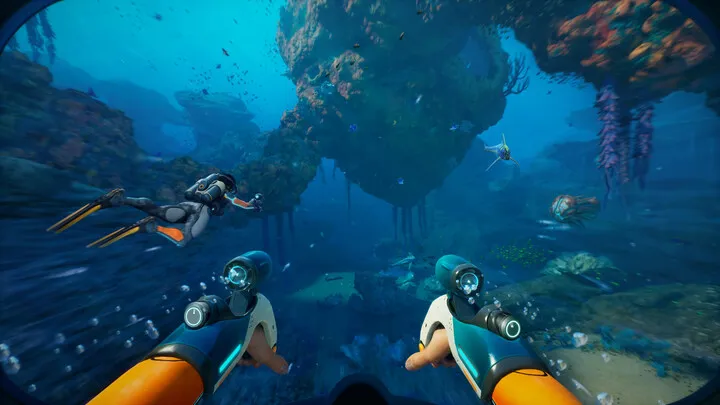
1. Choosing the Right Deep-Sea Location
Understanding Risk vs Reward
The first and most important decision is where to build your base. Deep-sea biomes are rich in rare materials, but they are also dangerous. Areas like the Lost River or Lava Zones contain essential resources but also host aggressive creatures and environmental hazards.
You need to strike a balance. Building directly in a high-risk area may slow you down due to constant repairs and threats. Instead, look for locations that are close enough to valuable resources but not directly inside danger zones.
Ideal Location Features
A good deep-sea base location should include:
- Relatively flat terrain for easy construction
- Access to thermal vents for power
- Nearby resource nodes (Nickel, Sulfur, etc.)
- Low predator activity
- Clear visibility for navigation
Choosing wisely at this stage will save you countless hours later.

2. Preparing Resources Before the Descent
Why Preparation Matters
Once you descend into deep biomes, returning to the surface frequently becomes inefficient and dangerous. That’s why preparation is critical. You should gather as many materials as possible before committing to your base location.
Focus on both basic and advanced materials. Running out of something simple like Titanium can halt your progress just as much as missing rare components.
Essential Materials Checklist
Before heading down, make sure you have:
- Titanium (large quantities)
- Quartz (for glass and reinforcements)
- Copper (wiring and electronics)
- Lead (radiation and structure support)
- Plasteel Ingots
- Computer Chips
- Aerogel
Also bring seeds for farming and components for power systems. Think of this as setting up a permanent outpost, not a temporary shelter.

3. Establishing the Initial Base Foundation
Start Small and Expand
Your first structure should be simple. Do not attempt to build a massive base immediately. Start with a small, functional layout and expand gradually.
A basic starting setup includes a multipurpose room, a hatch, and minimal equipment. This allows you to secure a foothold in the area without overextending your resources.
Basic Structure Components
Your initial base should include:
- One multipurpose room
- One hatch for entry
- A fabricator
- Temporary power (if available)
Position your base slightly above the seabed using foundations. This improves visibility and reduces terrain issues.
4. Transitioning to Reliable Power Systems
The Problem with Solar Energy
Solar panels are effective near the surface but become useless in deep water. Light penetration decreases significantly, making solar power unreliable.
You need to switch to alternative energy sources as soon as possible.
Power Options Explained
There are three main power systems:
- Thermal Plants: Best option if near heat sources; provides constant energy
- Bioreactors: Uses organic materials; flexible but requires maintenance
- Nuclear Reactors: High output, late-game solution
For deep-sea bases, thermal energy is usually the most efficient choice. If unavailable, bioreactors can sustain your base until you unlock nuclear power.
5. Managing Hull Integrity Under Pressure
Understanding Structural Stress
As you build deeper, water pressure increases. Every structure piece affects hull integrity. If it drops too low, your base will start flooding.
This is one of the most overlooked mechanics by players.
How to Maintain Integrity
To keep your base stable:
- Add reinforcements to walls
- Use foundations to increase strength
- Limit glass structures
- Install bulkheads between sections
Planning your layout early helps avoid constant repairs and redesigns later.
6. Creating a Self-Sustaining Food System
Indoor Farming Basics
Food becomes trivial once you set up indoor farming. Growbeds allow you to produce unlimited food inside your base.
This removes the need to hunt or gather constantly.
Best Crops for Sustainability
The most efficient plants include:
- Bulbo Trees (high water and food value)
- Lantern Fruit (fast and renewable)
- Marblemelon (balanced nutrition)
Plant a mix of these to ensure a steady and reliable food supply.
7. Securing a Continuous Water Supply
Why Water Is Critical
While food plants provide some hydration, it’s not enough for long-term sustainability. You need a dedicated water system.
Water Production Methods
The best solution is a water filtration machine. It converts seawater into drinkable water automatically.
However, it consumes a large amount of power, so ensure your energy system can handle it.
Key Considerations
- High energy consumption
- Produces salt as a byproduct
- Works best with thermal or nuclear power
Once installed, you will never need to worry about dehydration again.
8. Building Storage and Crafting Infrastructure
The Importance of Organization
As your base grows, so does your inventory. Without proper storage, managing resources becomes inefficient.
A well-organized base saves time and reduces frustration.
Recommended Storage Layout
Divide your storage into categories:
- Raw materials
- Advanced components
- Food and water
- Equipment and tools
Use labeled lockers and dedicate specific rooms for each category. This makes crafting faster and more intuitive.
9. Integrating Vehicle Support Systems
Supporting Exploration Vehicles
Your base must support vehicles like the Seamoth or Prawn Suit. These are essential for deep exploration and resource gathering.
Required Infrastructure
To maintain vehicles, build:
- Moonpool for docking
- Vehicle Upgrade Console
- Power cell chargers
This allows you to repair, recharge, and upgrade your vehicles efficiently.
10. Final Optimization and Long-Term Sustainability
Achieving Full Automation
At this stage, your base should function independently. Power flows continuously, food grows automatically, and water is always available.
You no longer need to worry about survival mechanics.
Endgame Enhancements
To perfect your base, consider adding:
- Nuclear reactor for maximum power
- Scanner room for resource tracking
- Alien containment for breeding
These upgrades transform your base into a fully optimized command center.
Conclusion
Building a fully self-sustaining deep-sea base in Subnautica is one of the most rewarding achievements in the game. It represents a shift from survival to mastery, where you are no longer struggling to stay alive but thriving in one of the most hostile environments imaginable.
The key to success lies in preparation, planning, and gradual progression. By choosing the right location, securing reliable power, and automating essential systems like food and water, you create a base that supports all your needs without constant maintenance.
Once completed, your base becomes more than just a shelter—it becomes your operational hub, allowing you to explore deeper, travel further, and experience the game at its fullest potential.